Stearic Acid: A Deep Dive into Pricing and Market Trends
Stearic Acid: A Deep Dive into Pricing and Market Trends
Blog Article
The current picture for stearic acid pricing and industry directions reveals a challenging interplay of elements. Worldwide, costs have been witnessing volatility due to shifting distribution networks and rising component expenses. Notably, palm oil and animal fats, key get more info materials in the fatty acid manufacture, have seen substantial price hikes. Consequently, producers are facing pressure to copyright favorable costs while controlling increasing production expenses. Looking ahead, market predictions points to that balance in stearic acid pricing continues uncertain, contingent on international affairs, farming results, and overall economic conditions.
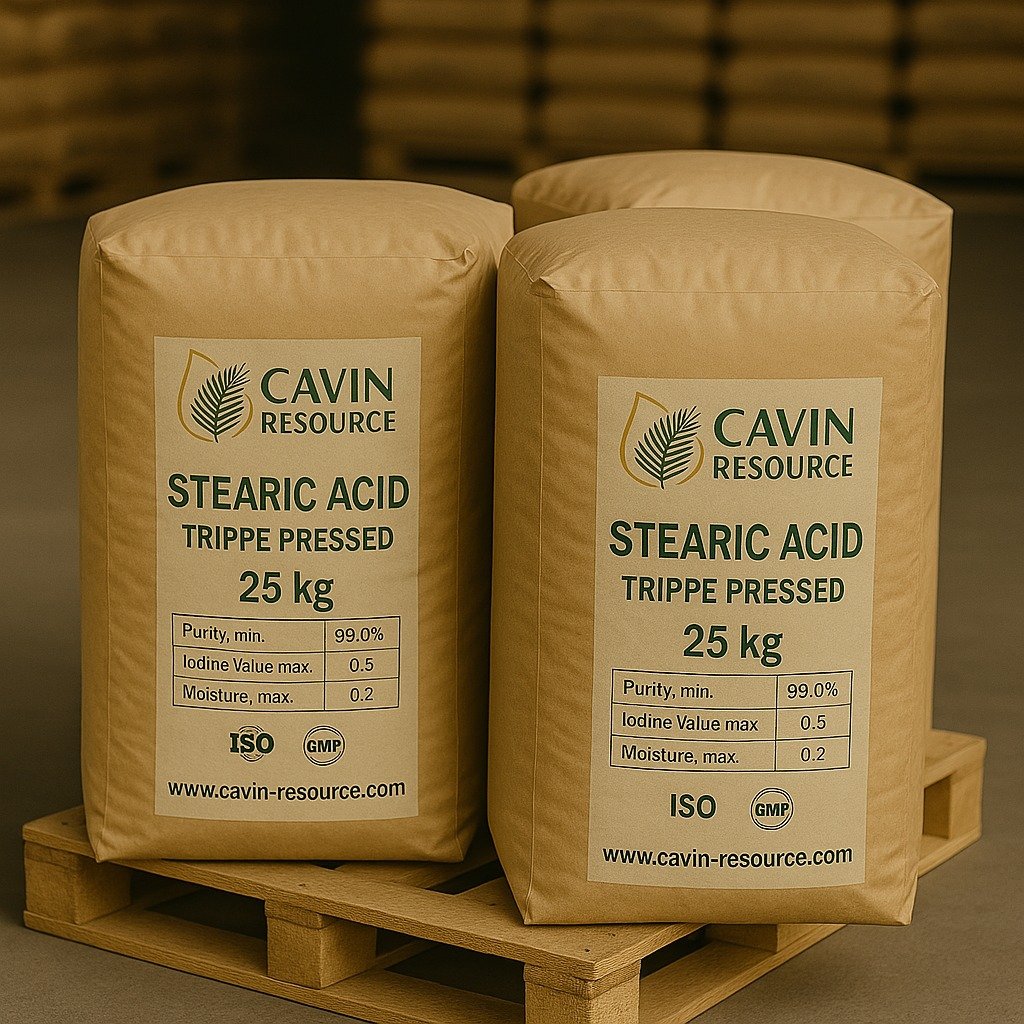
Leading Fatty Acid Manufacturers Reshaping the International Industry
Several major firms are powering the international stearic fatty acid market . Including these, giants like KLK Oryza Oil hold considerable percentages of the manufacturing . Other producers feature Emery , each bringing to the continuous development of stearic acids purposes. Moreover, the increasing demand from diverse industries , including beauty, consumable items, and oils, is further boosting innovation and capital within this critical area of the oleochemical sector.
- Wilmar International - Focusing on sustainable practices .
- Kao Corporation - Increasing production to satisfy requirements.
Key Stearic Acid Manufacturers: Profiles and Production Capacities
Several prominent producers currently control the international stearic acid sector. Among these, Oleon NV maintains a significant production output , estimated at roughly 100,000 tonnes per annum . Similarly, Kao Corporation presents a impressive production range, reported to be near 80,000 tonnes annually. Wilmar International operates with a impressive capacity, considered to be in the vicinity of 70,000 metric tons . Lastly, Emery Oleochemicals shows a strong production level , with a figure roughly 60,000 metric tons per year. These mentioned manufacturers embody a substantial portion of the total stearic acid source landscape.
Finding Reliable Stearic Acid Distributors: A Comprehensive Guide
Securing a dependable supply of stearic acid requires careful research when selecting viable distributors. Begin by investigating online directories specializing in raw materials; these can frequently showcase a extensive range of vendors . Additionally, checking their qualifications, including industry standards , is critically essential. Don't neglecting to obtain test batches and contrast rates from various sources before making a agreement . Finally , reviewing client reviews and reaching out to existing customers can provide insightful perspective regarding the distributor's performance .
Understanding Stearic Acid Cost Drivers: Factors Affecting Price
The price of this fatty acid is impacted by a number of significant variables. Raw material costs , particularly palm oil and tallow , represent a primary factor , with changes in worldwide oil prices directly influencing the final product price . Manufacturing methods also play a role , as improvements in production can lower costs. Logistics costs , including delivery and handling , add to the total expense . Finally, supply and demand – including temporal patterns and geopolitical events – greatly influence the market cost of stearin .
Stearic Acid Supply Chain: Producers, Distributors, and Market Dynamics
The international stearic chemical supply system involves a complex interplay of suppliers, distributors, and shifting market forces. Major producing regions include the Far East, Western nations, and the US, with key firms often integrating production with associated sectors like plastics. Sales typically takes place through a multi-level system, comprising significant international trading companies and smaller independent enterprises. Market values are affected by variables such as animal oil availability, international economic conditions, and modifications in consumer requirements.
Report this page